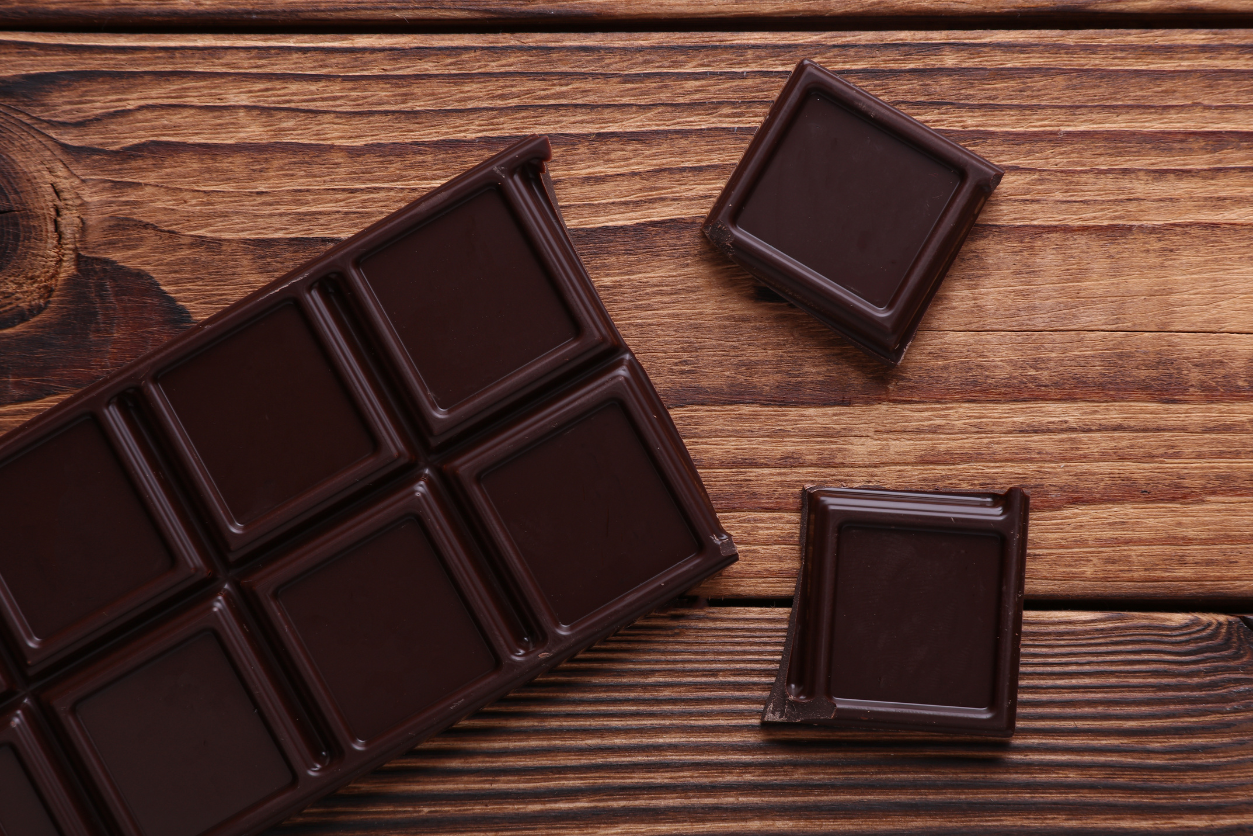
Two dark chocolate bars can have the exact same cacao percentage and taste completely different. One might be bright and fruity, while another is rich, nutty, or earthy. That's part of what makes exploring craft chocolate so interesting—and why choosing the right bar isn't always as simple as picking a percentage.
If you're new to dark chocolate, the number of options can feel overwhelming. Should you choose 70% or 85% cacao? Does the country of origin matter? And how can you tell whether a chocolate will taste fruity, bitter, sweet, or creamy?
You don't need to be a chocolate expert to find something you'll enjoy. Understanding a few basics can help you choose dark chocolate based on your own preferences.
Start with the Cacao Percentage
One of the first things you'll notice on a dark chocolate bar is a percentage, such as 60%, 70%, or 85%.
The cacao percentage tells you how much of the chocolate comes from cacao-derived ingredients, including cocoa solids and cocoa butter.
For example, a 70% dark chocolate contains 70% cacao-derived ingredients by weight. The remaining 30% consists of other ingredients, typically including sugar.
Generally, higher cacao percentages leave less room for sugar and other ingredients, but percentage alone doesn't determine sweetness, bitterness, or overall quality.
Here's a simple guide:
60–69% cacao: Often sweeter and potentially more approachable if you're accustomed to milk chocolate.
70–79% cacao: A useful range for exploring different chocolate flavor profiles.
80–89% cacao: Generally less sweet, with a higher proportion of cacao-derived ingredients.
90–100% cacao: Often more intense and less sweet. Plain 100% cacao chocolate contains no added sugar.
These are general guidelines, not guarantees.
Does a Higher Cacao Percentage Mean Better Chocolate?
No. Cacao percentage describes part of the recipe, not the quality of the chocolate. A thoughtfully made 65% chocolate can have a more appealing flavor profile than an 85% chocolate, depending on your preferences. If you're just beginning to explore dark chocolate, a bar around 60–75% cacao can be a useful starting point. From there, experiment with different percentages to discover what you enjoy.
Discover the Different Flavors of Dark Chocolate
One of the most interesting things about craft chocolate is the range of flavors that cacao can produce. Chocolate can have naturally occurring notes reminiscent of citrus, berries, nuts, caramel, flowers, or spices. These flavors don't necessarily come from added ingredients. Cacao genetics, growing conditions, fermentation, roasting, and chocolate-making methods all influence the finished flavor. At Cacao Match, chocolate flavors are organized into six families to help you discover what you enjoy.
Rich & Fudgy
Think brownies, cocoa, and deep, chocolate-forward flavors. This family may appeal to someone who loves a classic, rich chocolate taste.
Fruity
Some dark chocolates have bright flavors reminiscent of citrus, berries, or tropical fruit. These can be especially interesting if you enjoy a little tanginess in your chocolate.
Nutty & Roasted
Look for flavors reminiscent of toasted nuts or roasted ingredients. A chocolate can taste nutty without containing any actual nuts.
Caramel & Toffee
These chocolates have flavor notes reminiscent of caramel, toffee, or caramelized sugar. They can taste sweet or caramel-like even without added caramel.
Earthy & Spiced
These chocolates may have earthy, woody, or warming spice-like characteristics. They offer another dimension beyond rich chocolate or fruit-forward flavors.
Floral & Delicate
Some cacao has subtle floral aromas and delicate flavor notes. These characteristics may become more noticeable when you allow the chocolate to melt slowly on your tongue.
Three 70% Dark Chocolates That Taste Completely Different
One of the best ways to understand chocolate flavor profiles is to compare bars with the same cacao percentage.
Here are three I've personally tasted and reviewed for Cacao Match.
Dandelion — Maya Mountain, Belize 70% This chocolate is wonderfully rich and fudgy, with a smooth texture and brownie-like character. It's one I keep coming back to for that deep chocolate flavor. Explore Dandelion Maya Mountain 70%
Seahorse — Zorzal, Dominican Republic 70% If you think dark chocolate always tastes rich and bitter, this bar might surprise you. It's incredibly fruity, with a bold burst of fruit flavor and a very smooth texture. It's a great example of just how expressive cacao can be. Explore Seahorse Zorzal 70%
Spinnaker — Mexico 70% This bar brings together earthy, fruity, and nutty flavors, with a fudgy texture that reminds me of a chocolate brownie. I especially enjoyed the way these different flavors come together. Explore Spinnaker Mexico 70%
All three bars contain 70% cacao, yet they offer very different tasting experiences. Dandelion leans into rich, fudgy chocolate flavors, Seahorse is intensely fruity, and Spinnaker brings earthy and nutty notes into the mix.
Same cacao percentage, very different chocolate. That's why looking beyond the percentage is so important when choosing dark chocolate.
Explore more independent chocolate reviews
Read the Ingredient List
Cacao percentage tells you only part of the story. The ingredient list offers additional information about what you're buying. A plain dark chocolate bar may contain cacao beans or cocoa mass, sugar, additional cocoa butter, vanilla, or lecithin, which some makers use to help manage texture and processing.
Some craft chocolate makers use just cacao and sugar. Others use additional ingredients to achieve a particular taste or texture. The number of ingredients alone doesn't determine chocolate quality.
What's the Difference Between Tasting Notes and Added Flavors?
This is an important distinction when shopping for craft chocolate. A chocolate described as having raspberry or citrus notes may contain no fruit at all. Those characteristics may come naturally from the cacao. By comparison, a raspberry chocolate bar may contain added raspberries or another fruit ingredient.
When choosing chocolate, look at both the tasting notes and the ingredient list. They tell you different things.
Consider Where the Cacao Comes From
You may notice dark chocolate bars labeled with origins such as Madagascar, Ecuador, Peru, or Nicaragua. Like coffee or wine, cacao can have different flavor characteristics depending on where and how it's grown.
Cacao genetics, growing environment, fermentation, drying, roasting, and the chocolate maker's production methods all help shape the final flavor.
What Is Single-Origin Chocolate?
Single-origin chocolate generally means the cacao comes from one identified geographic origin, such as a country, region, or farm.
Some chocolate makers also create blends using cacao from different origins. Neither approach is inherently superior.
Origin can offer useful information, but it shouldn't be treated as a guarantee of a particular flavor. Two chocolate makers working with cacao from the same region can produce chocolates that taste noticeably different.
When exploring origins, pay attention to tasting notes and reviews rather than assuming every chocolate from a particular country will taste the same.
Pay Attention to Texture
Flavor is only part of the experience. Some dark chocolates are exceptionally smooth and creamy. Others have a firmer texture, while bars containing cacao nibs, nuts, or other inclusions may offer a crunchy bite.
When reading chocolate reviews, look for descriptions such as smooth, creamy, fudgy, firm, crunchy, or textured. Think about the textures you enjoy most. Do you prefer chocolate that melts smoothly in your mouth, or do you enjoy a little crunch?
Learn How to Taste Dark Chocolate
You don't need special equipment or formal training to appreciate the flavors of craft chocolate. The next time you try a bar, give yourself a little time to notice what you're tasting.
Start with a small piece. Let the chocolate begin to melt on your tongue rather than chewing immediately.
Notice the first flavors. Does the chocolate taste rich, fruity, nutty, or something else?
Pay attention to how the flavor develops. Some flavors become more noticeable as the chocolate melts.
Notice the finish. Does the flavor linger after the chocolate is gone?
Consider the texture. Is it smooth, creamy, firm, or crunchy?
The International Institute of Chocolate & Cacao Tasting uses a detailed flavor map to describe the wide range of flavors people may detect in chocolate, including fruity, nutty, floral, and spicy notes. You don't need to identify every flavor to appreciate a chocolate. The important thing is noticing what you enjoy.
Try a Dark Chocolate Tasting at Home
A fun way to begin is to compare two or three bars with similar cacao percentages but different tasting notes. For example, choose a 70% chocolate described as fruity, another described as rich and fudgy, and a third with nutty or earthy notes. Taste them one at a time and notice how they differ. You might be surprised by how much variety there is, even among bars with exactly the same cacao percentage.
Choose Chocolate Based on Your Taste Preferences
Perhaps the most important thing to remember is that the best dark chocolate is the chocolate you enjoy most.
You don't need to work your way up to 90% cacao or learn to love especially bitter chocolate to appreciate craft chocolate. If you prefer a sweeter 65% bar, that's a perfectly good preference. If you love an intense 85% chocolate, that's equally valid.
Instead of choosing chocolate based solely on its percentage or price, think about what you enjoy. Do you prefer sweeter chocolate or something less sweet? Are you drawn to rich chocolate flavors or brighter, fruitier notes? Do you like smooth chocolate or bars with crunchy inclusions? Do you prefer familiar flavors or something adventurous?
Your answers can help you make more informed choices. And your preferences may change as you explore different chocolates.
Frequently Asked Questions About Choosing Dark Chocolate
What Percentage of Dark Chocolate Is Best for Beginners?
A chocolate around 60–75% cacao can be a useful starting point, particularly if you're accustomed to sweeter chocolate. However, the ideal percentage depends on your preferences and the specific bar.
Is 70% Dark Chocolate Better Than 85%?
Not necessarily. Cacao percentage indicates the proportion of cacao-derived ingredients, not the chocolate's overall quality. Both percentages can produce excellent chocolate with different flavor profiles.
Why Does Some Dark Chocolate Taste Fruity?
Cacao can naturally develop fruity flavor characteristics. Genetics, growing conditions, fermentation, and roasting all influence flavor development. Fruity tasting notes don't necessarily mean the chocolate contains added fruit.
Does Dark Chocolate Have to Taste Bitter?
No. Some dark chocolate has noticeable bitterness, while other bars emphasize fruity, nutty, caramel-like, or rich cocoa flavors.
How Do I Know Which Dark Chocolate I'll Like?
Start with what you already enjoy. Consider sweetness, flavor preferences, texture, and whether you prefer familiar or adventurous flavors. Comparing a few different bars can help you identify your favorites.
Discover Dark Chocolate You'll Love with Cacao Match
Choosing dark chocolate should be an enjoyable discovery, not a guessing game. At Cacao Match, every bar in the collection is personally tasted and independently reviewed. Those tasting observations help connect each chocolate's characteristics with your individual preferences.
Whether you enjoy rich and fudgy chocolate, bright fruit-forward flavors, or something more adventurous, Cacao Match can help you discover new favorites.
Ready to find your next favorite chocolate?
Take the free five-question Cacao Match quiz to discover three chocolates matched to your preferences.
Or explore our independent chocolate reviews to browse different bars and flavor profiles.
Discover chocolate you love.