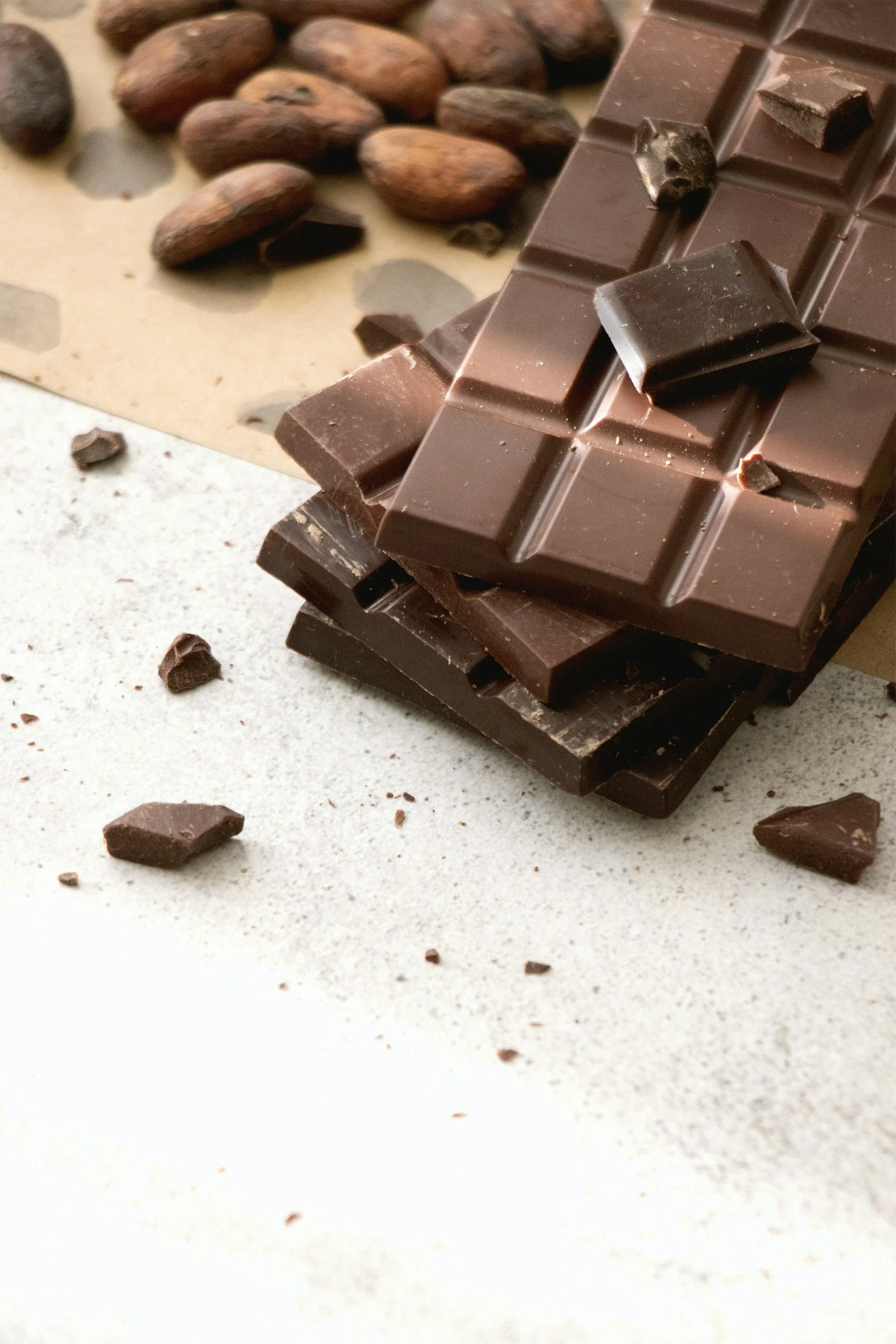
Have you ever eaten a piece of chocolate and noticed something unexpected? Maybe a hint of berries, toasted nuts, caramel, or even citrus?
Chocolate can have an incredible range of flavors, but most of us are accustomed to eating it without giving those flavors much thought. One of my favorite things about craft chocolate is discovering how different each bar can taste. I've tried chocolates that remind me of rich brownies, others that burst with fruitiness, and some with delicate floral or nutty notes.
Learning how to taste chocolate doesn't require special equipment or years of experience. A little curiosity and a few simple techniques can make tasting chocolate a completely different experience. Here's how to get started.
What Is Chocolate Tasting?
Chocolate tasting is the practice of paying attention to a chocolate's appearance, aroma, texture, and flavor. Instead of simply taking a bite and moving on, you take time to notice the characteristics that make each chocolate distinctive.
Professional chocolate tasters use structured sensory evaluation techniques to assess everything from cacao flavor and sweetness to bitterness, acidity, and texture. But you don't need to become an expert to appreciate the experience.
The goal is to discover what you taste and what you enjoy.
How to Prepare for a Chocolate Tasting
A few small preparations can make a difference when you're tasting chocolate.
Choose two or three different chocolate bars. Starting with a small selection makes it easier to notice differences without overwhelming your palate. Plain chocolate bars are especially useful because their flavors aren't competing with added ingredients.
Bring the chocolate to room temperature. Chocolate that's too cold can take longer to melt, making it harder to appreciate its flavors and texture.
Have water nearby. A sip of water between samples can help refresh your palate.
Avoid strong flavors and fragrances. Coffee, strongly flavored foods, and scented products can interfere with your ability to notice subtle chocolate aromas.
Find a comfortable place without distractions. Chocolate tasting is an opportunity to slow down and pay attention to what you're experiencing.
Once everything is ready, you're set to begin.
How to Taste Chocolate Step by Step
Look at the Chocolate
Before tasting, take a moment to examine the chocolate.
Notice its color and surface. Is it glossy or matte? Does it appear smooth and evenly colored?
You might also notice differences in color between dark chocolate bars, even when they contain similar percentages of cacao.
Appearance is one part of evaluating chocolate, although color alone won't tell you how it tastes.
Break Off a Piece
Break a small piece from the bar. Well-tempered solid chocolate often makes a distinctive snapping sound when broken.
The snap can tell you something about the chocolate's structure and temper, but it isn't a complete measure of quality.
Chocolate composition and temperature also influence how it breaks.
For tasting, a small piece is all you need.
Smell the Chocolate
Before placing the chocolate in your mouth, bring it close to your nose and notice its aroma.
Does it smell deeply chocolatey?
Can you detect anything fruity, nutty, roasted, or floral?
Aroma plays an important role in how we experience flavor.
You may notice something in the aroma that becomes more apparent once the chocolate begins melting.
Let the Chocolate Melt Slowly
Now comes my favorite part.
Place a small piece of chocolate in your mouth and let it melt slowly against your tongue.
Pay attention to the texture.
Is it silky and smooth? Creamy? Dense and fudgy? Does it melt quickly or gradually?
As the chocolate melts, notice how the flavor develops.
Some chocolates start with a rich cocoa flavor before revealing fruit or nutty notes. Others have an immediate burst of flavor that changes as the chocolate melts.
Letting the chocolate melt gives you time to notice these differences.
Notice the Flavors
This is where chocolate tasting gets especially interesting. Think about the flavors you recognize.
Does the chocolate remind you of berries, citrus, roasted nuts, caramel, or something earthy?
You don't need to identify a specific fruit or spice. Starting with a broad description like "fruity" or "nutty" is perfectly fine.
As you taste more chocolate, you may begin recognizing increasingly specific flavors.
Pay Attention to the Finish
The tasting experience doesn't end when the chocolate has melted.
Notice what happens afterward.
Does the flavor disappear quickly or linger? Is the finish fruity, chocolatey, sweet, or slightly bitter?
Sometimes the most distinctive part of a chocolate appears at the very end.
Taking a few moments to notice the finish can reveal another layer of flavor.
Understanding Chocolate Flavor Notes
One of the most common questions I hear about craft chocolate is how a plain chocolate bar can taste like fruit, caramel, or nuts when those ingredients haven't been added. Chocolate can develop these flavors naturally through the cacao itself and the way it's fermented, dried, roasted, and processed.
Chocolate tasting notes describe the flavors and aromas people perceive. They don't necessarily indicate additional ingredients.
At Cacao Match, I organize chocolates into six main flavor families to make discovering your preferences easier.
Rich & Fudgy: Deep chocolate flavors reminiscent of brownies, fudge, or chocolate cake.
Fruity: Bright, tangy, or sweet fruit notes, including berries, citrus, and tropical fruit.
Nutty & Roasted: Flavors reminiscent of toasted nuts, roasted cacao, or other warm, roasted notes.
Caramel & Toffee: Sweet flavors that bring to mind caramel, toffee, or butterscotch.
Earthy & Spiced: Earthy, woody, or warm spice characteristics.
Floral & Delicate: Subtle floral aromas and lighter, more delicate flavor profiles.
These categories help describe the tasting experience without requiring a long list of individual tasting notes.
And remember, a single chocolate can have characteristics from more than one flavor family.
Try a Chocolate Tasting at Home
One of the easiest ways to explore chocolate is to taste several bars side by side. For your first comparison, I recommend choosing three plain dark chocolate bars with similar cacao percentages but different flavor profiles.
For example, you might choose one that's rich and fudgy, one that's bright and fruity, and another with nutty or roasted characteristics. Taste each chocolate individually, using the same steps.
As you compare them, consider a few questions:
Which chocolate has the strongest aroma?
What flavors do you notice first?
How does the texture compare?
Do the flavors change as the chocolate melts?
Which chocolate would you want to taste again?
One of the most interesting discoveries is that you may enjoy chocolates you wouldn't ordinarily choose based on their cacao percentage or packaging. The more chocolates you explore, the more you'll learn about your own preferences.
Do You Need to Be an Expert to Taste Chocolate?
Not at all. Professional chocolate tasting involves training and practice, but enjoying and describing chocolate is something anyone can do.
You might taste bright citrus where someone else notices berries. One person might describe a bar as creamy, while another focuses on its caramel-like sweetness.
Sensory perception varies, and there's no requirement to identify the exact same tasting notes as the chocolate maker. I always encourage people to begin with what they actually notice rather than what they think they're supposed to taste.
Chocolate tasting should be an enjoyable way to discover new flavors, not a test with right and wrong answers.
Frequently Asked Questions About Chocolate Tasting
Should You Chew Chocolate or Let It Melt?
For a tasting, try breaking off a small piece and letting it melt slowly in your mouth. You can gently bite it first, but allowing it to melt gives you more time to notice the developing flavors and texture.
How Many Chocolates Should You Taste at Once?
Two or three bars are a good starting point for beginners. Professional tastings may include more samples, but a smaller selection makes it easier to compare flavors without becoming overwhelmed.
Do You Need to Cleanse Your Palate Between Chocolates?
It's helpful to drink some water between samples and allow a short pause before tasting the next chocolate. This can reduce the influence of lingering flavors.
Can You Taste Chocolate with Different Cacao Percentages?
Absolutely. Comparing different percentages can be interesting, especially when you're exploring sweetness and chocolate intensity. If your goal is to compare flavor profiles, starting with similar percentages can make the comparison more focused.
What If You Can't Identify the Tasting Notes?
That's completely normal. You don't need to recognize specific fruits, nuts, or spices to appreciate chocolate. Begin with broad characteristics such as sweet, fruity, chocolatey, or roasted, and build your tasting vocabulary over time.
Explore Guided Chocolate Tastings with Cacao Match
Learning how to taste chocolate is even more interesting when you can compare different bars and explore their flavors together.
Through Cacao Match, I'm bringing my passion for craft chocolate to guided tasting experiences designed to help people explore different chocolates, recognize flavor characteristics, and discover what they enjoy.
Whether you're new to craft chocolate or simply curious about expanding your palate, tasting chocolate is an opportunity to experience something new.
Explore Cacao Match Chocolate Tastings
And if you're curious about which chocolates might match your personal preferences, you can also take the free Cacao Match chocolate-matching quiz to discover three personalized recommendations.
Discover chocolate you love.