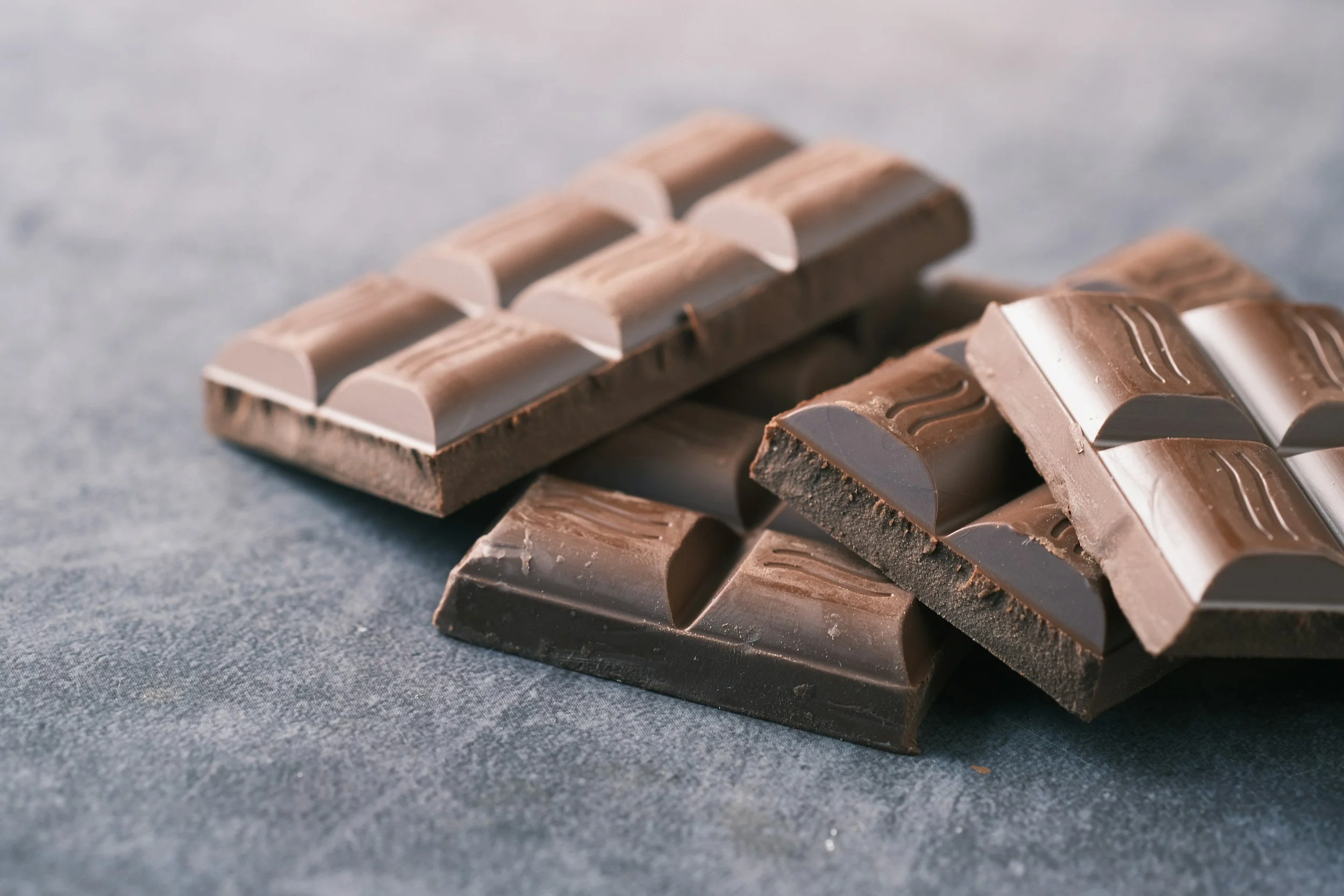
One of the things I love about Dandelion Chocolate is how different its single-origin bars can taste. You can try two chocolates with exactly the same cacao percentage and experience entirely different flavors.
Some are rich and fudgy, reminiscent of chocolate brownies. Others have bright fruit notes, roasted nuts, or subtle caramel-like characteristics.
Dandelion has been part of my craft chocolate journey since I first discovered bean-to-bar chocolate at its San Francisco shop in 2013. I've continued exploring its chocolates over the years, and it's a maker I return to when I want to experience how distinctive cacao can be.
In this guide, I'm sharing five Dandelion Chocolate bars I've personally tasted and reviewed, including their flavor profiles and what makes each one different.
Disclosure: Cacao Match participates in Dandelion Chocolate's affiliate program. I may earn a commission if you make a purchase through the affiliate links in this article, at no additional cost to you. My tasting reviews are independent.
What Makes Dandelion Chocolate Different?
Founded in San Francisco in 2010, Dandelion Chocolate is a bean-to-bar chocolate maker known for its focus on single-origin cacao. Its single-origin chocolate bars are made with just two ingredients: cacao beans and sugar.
Rather than adding vanilla or other flavorings, Dandelion uses carefully sourced cacao and its chocolate-making process to highlight the characteristics of each origin. The company works directly with cacao producers and documents its sourcing relationships. It also develops roasting and production approaches suited to the cacao it uses.
The result is a collection of chocolates with surprisingly different flavor profiles, even when their ingredient lists and cacao percentages are identical.
What Is Single-Origin Chocolate?
Single-origin chocolate is made with cacao sourced from one identified geographic origin, such as a particular country, region, or group of farms. The origin can influence the flavors found in the chocolate, alongside cacao genetics, fermentation, drying, and roasting.
Dandelion identifies the origins of its cacao on its chocolate bars, making it easy to explore these differences. For example, chocolate from Belize might taste rich and fudgy, while another bar from Mexico could have a more noticeable fruity character.
The specific flavors aren't guaranteed by geography alone. They're part of the distinctive combination of cacao and chocolate-making choices behind each bar. If you'd like to learn more about the science behind these differences, my Cacao Match guide How Cacao Origin Affects Chocolate Flavor explores the subject in greater detail.
Five Dandelion Chocolate Bars Worth Exploring
These five bars are all made with 70% cacao, but their flavors are remarkably different.
I've personally tasted and reviewed each one, and these are the characteristics that stood out to me.
Dandelion Maya Mountain, Belize 70% — Rich & Fudgy
If you enjoy deep, chocolate-forward flavors, Maya Mountain is a wonderful example of what a fudgy dark chocolate can taste like.
This bar has a smooth texture and a rich, brownie-like character that I keep coming back to.
The fudginess is especially pronounced, creating an experience reminiscent of eating a piece of chocolate brownie in bar form.
It's a great chocolate to explore when you're interested in rich cocoa flavors rather than pronounced fruitiness.
Flavor profile: Rich & Fudgy
Tasting notes: Fudgy, rich, smooth, brownie-like
Explore Dandelion Maya Mountain, Belize 70%
Dandelion Río Samaria, Mexico 70% — Bright & Fruity
Río Samaria offers a very different experience from the rich, fudgy character of Maya Mountain.
What stood out most to me was its fruitiness.
The chocolate is smooth, with a noticeable fruit-forward character. Dandelion identifies plum among its tasting notes, although I found the overall fruitiness more prominent than any single fruit flavor.
This is an interesting bar to try if you're curious about naturally fruity dark chocolate without added fruit ingredients.
Flavor profile: Fruity
Tasting notes: Fruity, smooth
Explore Dandelion Río Samaria, Mexico 70%
Dandelion Costa Esmeraldas, Ecuador 70% — Nutty & Roasted
Costa Esmeraldas brings together several flavors in a beautifully smooth chocolate.
I noticed chocolatey, creamy, and nutty characteristics at the beginning, followed by a subtle fruity finish.
That combination makes this bar interesting because the flavor shifts as it melts.
Rather than being intensely fruity or purely chocolate-forward, it offers a balance of roasted, creamy, and gently fruity notes.
Flavor profile: Nutty & Roasted
Tasting notes: Chocolatey, creamy, nutty, subtly fruity, smooth
Explore Dandelion Costa Esmeraldas, Ecuador 70%
Dandelion Tumaco, Colombia 70% — Rich & Fudgy
Tumaco is another chocolate with a rich, fudgy character, but its flavor is distinct from Maya Mountain.
I noticed deep chocolate flavors with a subtle creamy quality, along with a wonderfully smooth texture.
It's a chocolate-forward bar with an inviting richness.
Trying Tumaco alongside Maya Mountain is an interesting way to explore how two bars in the same general flavor family can still offer different experiences.
Flavor profile: Rich & Fudgy
Tasting notes: Deep chocolate, fudgy, creamy, smooth
Explore Dandelion Tumaco, Colombia 70%
Dandelion Takyikrom, Ghana 70% — Rich & Fudgy
Takyikrom has a lovely chocolatey flavor and a smooth texture.
Dandelion describes chocolate cake among its tasting notes, which captures the chocolate-forward character of this bar particularly well.
What I appreciate about comparing Takyikrom with other 70% chocolates is how much variety exists even among bars that emphasize familiar cocoa flavors.
It doesn't need a dramatic fruit or spice note to have its own distinctive character.
Flavor profile: Rich & Fudgy
Tasting notes: Chocolatey, smooth
Explore Dandelion Takyikrom, Ghana 70%
Which Dandelion Chocolate Bar Should You Try First?
Rather than choosing a bar based only on cacao origin, I'd start by thinking about the flavors you enjoy.
If you love rich, fudgy chocolate: Explore Maya Mountain, Tumaco, or Takyikrom. Each highlights chocolate-forward flavors in a slightly different way.
If you enjoy fruity dark chocolate: Río Samaria is an interesting choice, particularly if you're curious about fruit notes that come naturally from cacao.
If you prefer nutty and roasted flavors: Costa Esmeraldas combines nutty and creamy characteristics with a subtle fruity finish.
There isn't one bar that's right for everyone. That's part of what makes tasting different origins so interesting.
How to Taste Dandelion Chocolate Side by Side
If you're new to single-origin chocolate, comparing two or three bars is a great way to begin. Choose chocolates with different flavor profiles. You might start with Maya Mountain for its fudgy character, Río Samaria for fruitiness, and Costa Esmeraldas for its nutty notes.
Break off a small piece of each bar and allow it to melt slowly in your mouth. Notice the aroma, texture, initial flavor, and finish. Take a sip of water between samples.
You may find that certain flavors stand out immediately, while others become noticeable only after the chocolate has begun to melt. It's also interesting to revisit your first chocolate after tasting the others. Sometimes the comparison helps you notice characteristics you missed initially.
You don't need to identify every tasting note. The goal is to explore the differences and discover which chocolates appeal to you.
Frequently Asked Questions About Dandelion Chocolate
Is Dandelion Chocolate Bean-to-Bar?
Yes. Dandelion Chocolate makes chocolate from cacao beans, carrying out the chocolate-making process rather than simply melting and remolding finished chocolate.
What Ingredients Are in Dandelion Chocolate Bars?
Dandelion's two-ingredient single-origin chocolate bars are made with cacao beans and sugar. The company doesn't add vanilla, lecithin, or additional cocoa butter to these bars.
Why Do Dandelion Chocolate Bars Taste So Different?
The bars use cacao from different origins, each with its own characteristics. Cacao genetics, growing conditions, fermentation, and the maker's roasting and processing choices contribute to the final flavor.
Which Dandelion Chocolate Bar Is the Most Fruity?
Among the five bars featured in this guide, Río Samaria from Mexico has the most prominent fruity character in my tasting notes. Other Dandelion origins can also have pronounced fruit flavors.
Does Dandelion Chocolate Make Good Chocolate for Tasting?
Its collection of single-origin bars makes it possible to compare chocolates with similar cacao percentages and ingredient lists while exploring different flavors. That makes the bars particularly useful for side-by-side tastings.
Discover More Dandelion Chocolate with Cacao Match
Dandelion has a special place in my craft chocolate journey. My first bean-to-bar chocolate experience was at its San Francisco shop in 2013, and I've continued discovering new origins and flavors through its chocolates ever since.
I've created a dedicated Dandelion Featured Maker page on Cacao Match where you can learn more about the maker, explore my personal connection to Dandelion, and discover its chocolates.
You can also explore my independent craft chocolate reviews to compare Dandelion bars with chocolates from other makers.
And if you're not sure which flavors you'd enjoy most, take the free five-question Cacao Match quiz to discover three personalized chocolate recommendations.
Discover chocolate you love.